
Tag line
Uveitis
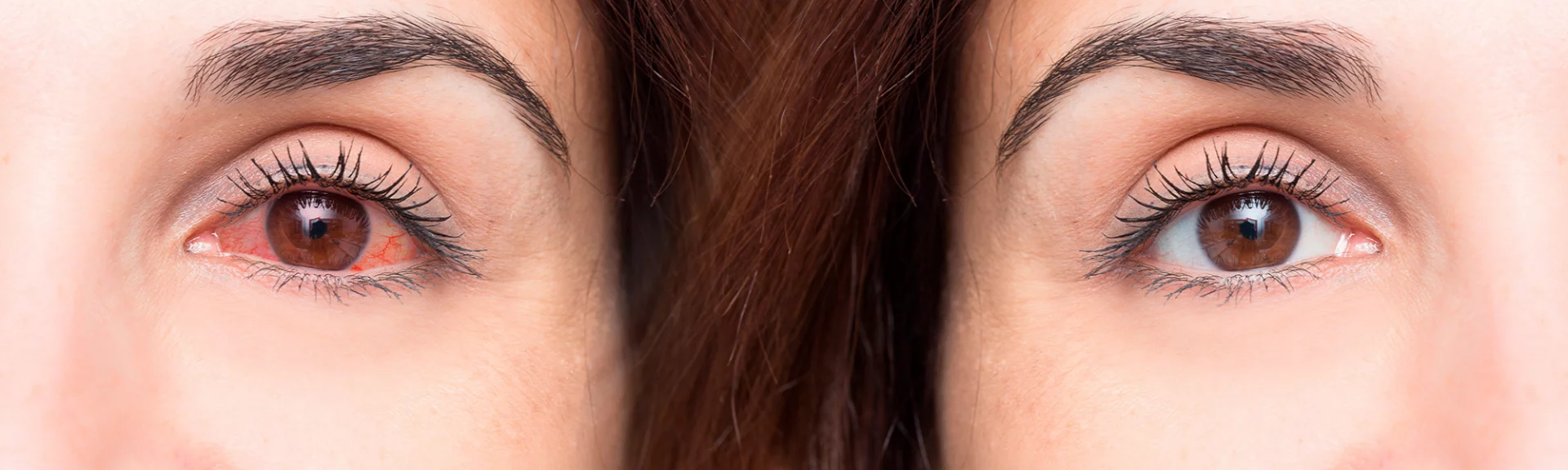
Uveitis is an inflammation of the eyes, in the container skin (Uvea) is involved in the eye. The inflammation can affect different sections of the Uvea. The causes can be infections, with bacteria, viruses or fungi. But also other disorders can get stuck behind it, for example, inflammatory joint diseases such as juvenile idiopathic Arthritis or inflammatory diseases such as sarcoidosis. Often, however, can be no cause has been found. Noticeable Uveitis is manifested by redness of the eyes, increased sensitivity to light, Seeing black dots or losing the vision. Uveitis may develop slowly and, initially, hardly cause symptoms (chronic Uveitis). Then you can stay longer go unnoticed. The treatment aims to slow down the inflammation and eliminate it.
Overview: What is a Uveitis is?
The Uveitis is an eye disease in which vascular skin is inflamed. This medium-sized eyes of the skin is located between the retina and the sclera in the eye. The Uvea is made up of three Parts:
- Rainbow Skin (Iris)
- Ziliar or radiation the body (Corpus ciliary)
- Choroid (Choroidea)
Each of the different sections of the Uvea can be ignited. Doctors, therefore, distinguish the anterior, middle and posterior Uveitis. If all sections are affected, one speaks of a Panuveitis.
- Anterior Uveitis (Anterior Uveitis) – the most common Form: The Iris (iris) is inflamed. The disease is also known as Iritis. The ciliary body is affected by the inflammation, speak to Doctors from a Zyklitis. Because Iris and ciliary body are anatomically close to each other, can both structures ignites his (iridocyclitis).
- Medium Uveitis (Uveitis intermedia, intermediate Uveitis): inflammation involving the Central region of the Uvea. The inflammatory cells are mainly located in the glass body. Doctors speak of Vitritis.
- Posterior Uveitis (Posterior Uveitis or postereore Uveitis): The areas of the rear glass body are inflamed. In the Chorioditis the inflammation affects the skin, mainly in the vein, in the case of Chorioretinitis choroid, and parts of the retina inflamed.
- Panuveitis: Inflammation of the anterior, middle and posterior Eye segment together.
Eye doctors and ophthalmologists to treat the Uveitis by you relieve the discomfort and inflammation in the eye vapors. Sometimes, the inflammation of the eyes is also associated with another underlying disease or an infection – then Doctors treat and Doctors, this often across disciplines with other specialists from the field of rheumatology, and other disciplines. Without treatment, Uveitis can progress and, in the worst case, lead to blindness.
Uveitis – frequency and age
The Uveitis is a very common inflammatory eye disease and a major reason for severe eyesight, improve sexual Indians or blindness. Annually are diagnosed between 17 and 52 of 100‘000 people, appreciate the eye doctors and eye doctors. In the Western world, ten percent of the visually impaired go back approximately to the Uveitis. And up to 35 per cent of the patients with Uveitis will experience a significant decrease in your vision or go blind even.
Uveitis usually affects both sexes equally. In the Western world, the anterior Uveitis is the most widespread. She is also in adults, the most common Form. In principle, Uveitis can occur at any age. They often affects people between the ages of 20 and 60 years of age. In the case of young people under the age of 16 and the children of the Uveitis is relatively rare. It is then often a companion of juvenile idiopathic Arthritis.
Uveitis: causes often remain unknown
Uveitis can have various causes. In more than 50 percent of the cases, Doctors can make but not a trigger for inflammation of the eyes. In addition to the above-mentioned anatomical classification, the distinction between infectious and non-infectious Uveitis is of utmost importance for the correct therapy.
- Infectious Uveitis - Here are pathogens on the plant, such as bacteria, viruses, fungi or parasites. You can enter, for example, in the context of an injury of the eye and cause inflammation. Also infectious diseases such as toxoplasmosis, Syphilis, tuberculosis, Herpes, Lyme disease, or HIV/AIDS may be associated with Uveitis in connection.
- Non-Infectious Uveitis- Certain underlying medical conditions can play a role. This inflammatory disease can also affect other organs or parts of the body, such as juvenile idiopathic Arthritis, ankylosing Spondylitis, Behcet's, the syndrome, the disease sarcoidosis, inflammatory bowel, and others. If no cause or associated disease is found, it is called idiopathic Uveitis.
The symptoms: Uveitis can be acute or insidious begin
Uveitis can be a variety of symptoms to recognize. You can one or both of the concern eyes. The main signs are:
- Eye Redness
- Eye pain
- Increased sensitivity to light, increased sensitivity to glare
- Decreased vision: Blurred vision and blurred vision - some see as through a veil
- Flying mosquitoes (mouches volantes) - you can see the "black points"
- Limitations of the visual field
The symptoms of Uveitis can occur suddenly (acute Uveitis) and rapidly worsen. The symptoms may develop slowly and insidiously – then the Uveitis often for a long time unnoticed (chronic Uveitis). Uveitis can always return again in batch mode (recurrent Uveitis).
You should always consult your eye doctor if you notice symptoms such as a deterioration in eyesight or eye pain.
Uveitis: Prevention, Early Detection, Prognosis
There are no special measures you a Uveitis can prevent. In General, the following applies: make Sure you have a good protection for your eyes, for example, if your eyes are at risk at work (safety glasses) or in everyday life (sunglasses with UV protection). Also in the physician's practice, there are no special measures for the early detection of Uveitis. Please, therefore, always contact your eye doctor if you notice symptoms such as a worsening of vision or increased sensitivity to light. He or she can figure out the cause of the symptoms.
The course and prognosis of Uveitis
The Uveitis can be acute, chronic, and in batch mode (relapsing) run. In the case of an acute course of the symptoms begin suddenly and get worse quickly. If the symptoms persist, however, not longer than three months. In the case of a chronic course of the Uveitis many people notice the first symptoms. He lasts longer than three months, often several years. In the case of recurrent Uveitis Affected symptom experience-free phases, and acute exacerbations and symptoms.
Important for the course and prognosis with adequate treatment of Uveitis is. Another underlying disease is the cause, you do not need Doctors to treat adequately, so that the symptoms subside and the Uveitis is evolving.
Without treatment, the deterioration of the eyesight more – in the worst case, the blindness threatens. An untreated Uveitis can have these effects, in General:
- Glaucoma, the pressure Inside the eye is greatly increased
- Cataracts (cataract) - the lens of the eye clouds over increasingly
- Vitreous opacity
- Damage to the optic nerve
- Retinal detachment
- Fluid retention in the retina (macular edema)
- Loss of vision and blindness
Source: www.usz.ch/ickness/uveitis/
Recommended Products

CHF 32.90 incl. VAT incl. VAT
Sale!

CHF 65.80 Original price was: CHF 65.80.CHF 49.95Current price is: CHF 49.95. incl. VAT incl. VAT
Sale!

CHF 72.85 Original price was: CHF 72.85.CHF 59.95Current price is: CHF 59.95. incl. VAT incl. VAT
Shipping
Until 16:00 ordered, same day shipped with A Priority Mail. Free shipping for CHF90.00.
payment
Simple and risk-free pay with TWINT, PayPal, credit card and invoice.
satisfaction
Customer satisfaction is 99.5%, and underlines our focus on top customer support.
100% Natural
Vegan, pure, organic, free of any harmful substances. Contains no soy and no Gluten.
Tested quality
This product is produced according to the highest Standards (GMP) and continuously quality tested.